
專注綠色建筑裝飾材料
經(jīng)營(yíng)管理理念:讓客戶用的放心!
24小時(shí)服務(wù)熱線:
13864111871
<nobr id="us0k0"></nobr>
專注綠色建筑裝飾材料
經(jīng)營(yíng)管理理念:讓客戶用的放心!
24小時(shí)服務(wù)熱線:
13864111871
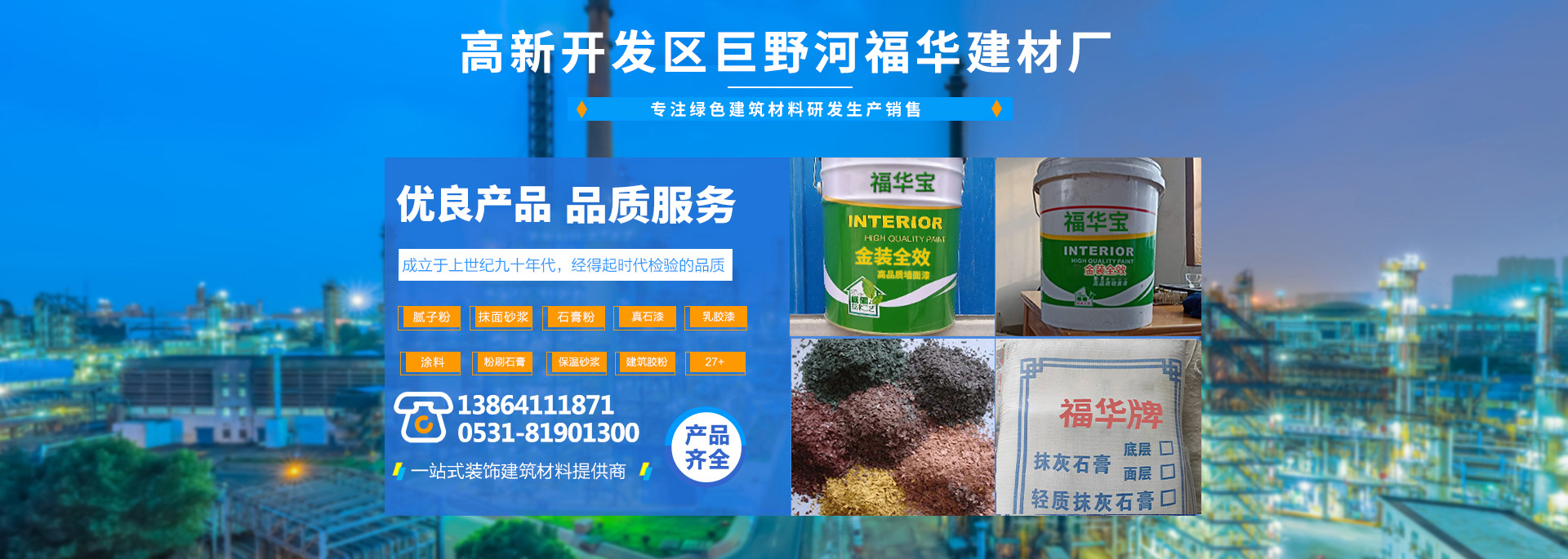
濟(jì)南福華建材廠
聯(lián)系人:吳老師
電話:
手機(jī):13864111871
0531-81901300
地址:山東省濟(jì)南市高新開發(fā)區(qū)巨野河辦事處山圈村西
使用抹面砂漿為什么會(huì)空鼓,空鼓怎么處理?
來(lái)源:http://www.sjzmx.cn 日期:2025-06-03 發(fā)布人:
在建筑裝飾工程中,抹面砂漿空鼓是常見的質(zhì)量缺陷,表現(xiàn)為砂漿層與基層之間出現(xiàn)中空層,用硬物輕敲會(huì)發(fā)出空響。這種問(wèn)題不僅影響墻面美觀,更可能導(dǎo)致瓷磚脫落、涂料開裂等安全隱患。要徹底解決空鼓問(wèn)題,需從材料、工藝、養(yǎng)護(hù)三個(gè)維度展開系統(tǒng)分析。
In architectural decoration engineering, hollowing of plastering mortar is a common quality defect, manifested as a hollow layer between the mortar layer and the base layer, which will make a hollow sound when lightly tapped with a hard object. This problem not only affects the appearance of the wall, but may also lead to safety hazards such as tile peeling and paint cracking. To thoroughly solve the problem of hollowing, a systematic analysis needs to be conducted from three dimensions: materials, processes, and maintenance.
基層處理是預(yù)防空鼓的首要環(huán)節(jié)。混凝土墻面若殘留脫模劑或油漬,會(huì)形成隔離層,導(dǎo)致砂漿無(wú)法有效粘結(jié)。某工地曾因模板使用機(jī)油類脫模劑,造成大面積空鼓,最終需全部鏟除重做。正確做法應(yīng)采用水性脫模劑,并在抹灰前對(duì)基層進(jìn)行鑿毛處理,使70%以上面積形成凹凸點(diǎn),或使用甩漿法在墻面形成水泥釘狀結(jié)構(gòu)。對(duì)于加氣混凝土砌塊等多孔材料,需噴涂專用界面劑,避免砂漿水分被基層快速吸收。
Grassroots treatment is the primary step in preventing hollowing out. If there is residual release agent or oil stains on the concrete wall, it will form an isolation layer, which will prevent the mortar from effectively bonding. A certain construction site once caused extensive hollowing due to the use of oil type release agents in the template, which ultimately required complete removal and rework. The correct approach is to use water-based release agents and chisel the base layer before plastering to form concave and convex points on more than 70% of the area, or use the slurry throwing method to form a cement nail like structure on the wall surface. For porous materials such as aerated concrete blocks, special interface agents need to be sprayed to avoid rapid absorption of mortar moisture by the base layer.
材料配比與施工工藝直接決定砂漿性能。某住宅項(xiàng)目因砂子含泥量超標(biāo),導(dǎo)致砂漿粘結(jié)力下降30%,引發(fā)系統(tǒng)性空鼓。規(guī)范要求砂子含泥量不得超過(guò)5%,且需通過(guò)3mm篩網(wǎng)過(guò)濾。水泥用量也需精準(zhǔn)控制,某辦公樓工程因盲目增加水泥比例,造成砂漿收縮率增大,在窗臺(tái)等部位形成環(huán)形裂縫。正確做法是根據(jù)基材特性選擇砂漿強(qiáng)度等級(jí),如加氣混凝土墻面宜采用M5.0低強(qiáng)度砂漿。
The material ratio and construction process directly determine the performance of mortar. A residential project experienced a 30% decrease in mortar bonding strength due to excessive sand and mud content, resulting in systematic hollowing. The specification requires that the mud content of sand should not exceed 5% and it should be filtered through a 3mm sieve. The amount of cement also needs to be precisely controlled. In a certain office building project, blindly increasing the proportion of cement resulted in an increase in mortar shrinkage rate, forming circular cracks in window sills and other areas. The correct approach is to select the strength grade of mortar based on the characteristics of the substrate. For example, M5.0 low strength mortar should be used for aerated concrete walls.
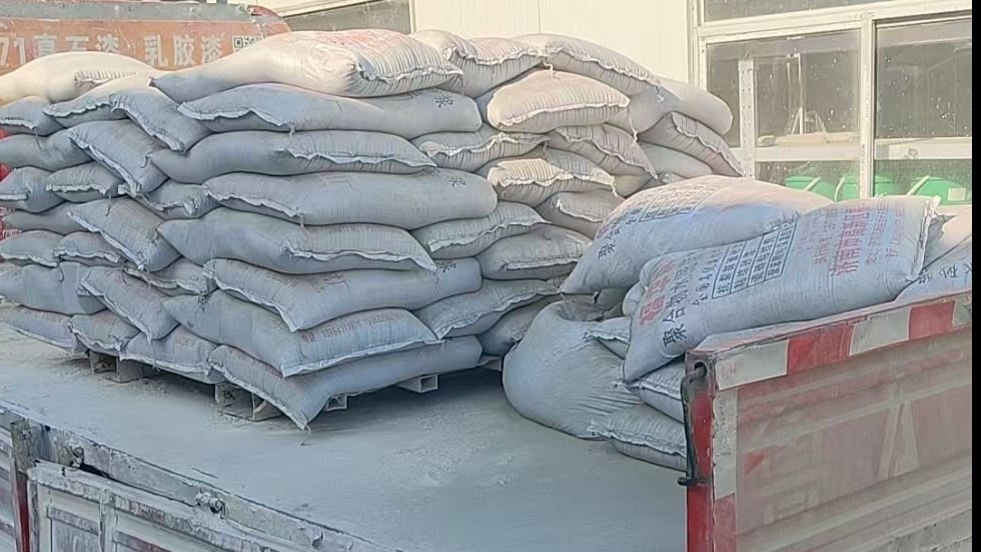
施工環(huán)節(jié)存在三大風(fēng)險(xiǎn)點(diǎn):一是單次抹灰過(guò)厚,規(guī)范要求每層厚度控制在7-10mm,但某商業(yè)綜合體因趕工期單次抹灰達(dá)15mm,導(dǎo)致砂漿自重下垂形成空腔;二是工序間隔不足,前層砂漿未初凝就進(jìn)行下道工序,造成層間結(jié)合不良;三是養(yǎng)護(hù)缺失,某醫(yī)院項(xiàng)目抹灰后未做保濕處理,在干燥氣候下砂漿失水過(guò)快,7日內(nèi)空鼓率達(dá)25%。
There are three major risk points in the construction process: firstly, the single plastering is too thick, and the standard requires the thickness of each layer to be controlled within 7-10mm. However, in a commercial complex, due to rushing the construction period, the single plastering reaches 15mm, resulting in the self weight of the mortar sagging and forming cavities; Secondly, there is insufficient interval between processes, and the next process is carried out before the initial setting of the previous layer of mortar, resulting in poor interlayer bonding; Thirdly, there is a lack of maintenance. After plastering, a certain hospital project did not do moisturizing treatment, and the mortar lost water too quickly in dry weather, resulting in a hollowing rate of 25% within 7 days.
針對(duì)已出現(xiàn)的空鼓,需根據(jù)嚴(yán)重程度采取差異化修復(fù)方案。對(duì)于直徑小于10cm的點(diǎn)狀空鼓,可采用注射法處理:在空鼓中心鉆Φ6mm注漿孔,使用低粘度環(huán)氧樹脂進(jìn)行壓力灌漿,待樹脂固化后修補(bǔ)孔洞。某酒店項(xiàng)目采用該技術(shù),24小時(shí)即可恢復(fù)使用。對(duì)于面積超過(guò)0.5㎡的片狀空鼓,則需實(shí)施局部翻修:沿空鼓邊緣切割出規(guī)則矩形,深度至堅(jiān)實(shí)基層,清除松散砂漿后涂刷界面劑,分層修補(bǔ)并掛鋼絲網(wǎng)加強(qiáng)。
Differentiated repair plans should be adopted based on the severity of the hollowing that has occurred. For point like hollow drums with a diameter less than 10cm, injection method can be used for treatment: drill a Φ 6mm grouting hole in the center of the hollow drum, use low viscosity epoxy resin for pressure grouting, and repair the hole after the resin solidifies. A certain hotel project adopts this technology, which can be restored to use within 24 hours. For sheet shaped hollows with an area exceeding 0.5 square meters, partial renovation is required: cut regular rectangles along the edge of the hollows, deep to a solid base, remove loose mortar, apply interface agent, repair in layers, and hang steel wire mesh for reinforcement.
預(yù)防空鼓需建立全過(guò)程管控體系。在材料驗(yàn)收環(huán)節(jié),除檢查合格證外,還應(yīng)進(jìn)行現(xiàn)場(chǎng)復(fù)試,重點(diǎn)檢測(cè)砂漿保水率、凝結(jié)時(shí)間等指標(biāo)。施工過(guò)程中推行"三檢制度":基層處理后自檢平整度,抹灰前專檢濕潤(rùn)度,抹灰后互檢空鼓情況。
To prevent hollowing, a full process control system needs to be established. In the material acceptance process, in addition to checking the certificate of conformity, on-site retesting should also be conducted, with a focus on testing indicators such as mortar water retention rate and setting time. Implement the "three inspection system" during the construction process: self check the flatness after base treatment, conduct a special inspection of moisture before plastering, and conduct mutual inspection of hollowing after plastering. A certain affordable housing project has reduced the hollowing rate from the industry average of 8% to 1.5% by setting up dedicated quality inspectors.
本文由濟(jì)南膩?zhàn)臃?/a>友情奉獻(xiàn).更多有關(guān)的知識(shí)請(qǐng)點(diǎn)擊:http://www.sjzmx.cn真誠(chéng)的態(tài)度.為您提供為全面的服務(wù).更多有關(guān)的知識(shí)我們將會(huì)陸續(xù)向大家奉獻(xiàn).敬請(qǐng)期待.
This article is a friendly contribution from Jinan gypsum powder For more information, please click: http://www.sjzmx.cn Sincere attitude To provide you with comprehensive services We will gradually contribute more relevant knowledge to everyone Coming soon.



手機(jī)站

關(guān)注微信公眾號(hào)
 主站蜘蛛池模板:
精品久久久久久中文字幕大豆网|
亚洲欧美日韩成人一区在线
|
国产精品人妻熟女男人的天堂|
亚洲成人激情在线影院|
中文无码人妻有码人妻中文字幕
|
欧美成人精品欧美一级乱黄|
精品无人码麻豆乱码1区2区|
一本久久a精品一区二区|
中文字幕 欧美日韩|
1769国产精品免费视频|
免费观看全黄做爰大片|
丝袜系列在线视频国产|
日韩欧无码一区二区三区免费不卡|
亚洲另类午夜中文字幕|
日韩精品在线二区三区|
日本不卡不二三区在线看|
亚洲欧美人成人综合在线播放|
在线毛片免费|
国产真实强被迫伦姧女在线观看|
国产精品亚洲A∨天堂|
91色婷婷成人精品亚洲|
国产亚洲一区二区手机在线观看|
中文亚洲av片不卡在线观看|
亚洲一区二区三上悠亚|
色香欲天天影视综合网|
激情内射亚州一区二区三区爱妻
|
无码日韩精品91超碰|
内射极品少妇xxxxxhd|
国产欧美日韩视频怡春院|
日本午夜精品一区二区三区电影
|
九九香蕉视频|
狠狠爱五月丁香亚洲综|
2018国产大陆天天弄|
丰满人妻一区二区三区视频53|
成人片黄网站色大片免费观看app|
国产精品亚洲专区无码牛牛|
色综合中文综合网|
97久久国产精品无码|
久热这里只有精品视频6|
亚洲三区二区一区视频|
综合色一色综合久久网|
主站蜘蛛池模板:
精品久久久久久中文字幕大豆网|
亚洲欧美日韩成人一区在线
|
国产精品人妻熟女男人的天堂|
亚洲成人激情在线影院|
中文无码人妻有码人妻中文字幕
|
欧美成人精品欧美一级乱黄|
精品无人码麻豆乱码1区2区|
一本久久a精品一区二区|
中文字幕 欧美日韩|
1769国产精品免费视频|
免费观看全黄做爰大片|
丝袜系列在线视频国产|
日韩欧无码一区二区三区免费不卡|
亚洲另类午夜中文字幕|
日韩精品在线二区三区|
日本不卡不二三区在线看|
亚洲欧美人成人综合在线播放|
在线毛片免费|
国产真实强被迫伦姧女在线观看|
国产精品亚洲A∨天堂|
91色婷婷成人精品亚洲|
国产亚洲一区二区手机在线观看|
中文亚洲av片不卡在线观看|
亚洲一区二区三上悠亚|
色香欲天天影视综合网|
激情内射亚州一区二区三区爱妻
|
无码日韩精品91超碰|
内射极品少妇xxxxxhd|
国产欧美日韩视频怡春院|
日本午夜精品一区二区三区电影
|
九九香蕉视频|
狠狠爱五月丁香亚洲综|
2018国产大陆天天弄|
丰满人妻一区二区三区视频53|
成人片黄网站色大片免费观看app|
国产精品亚洲专区无码牛牛|
色综合中文综合网|
97久久国产精品无码|
久热这里只有精品视频6|
亚洲三区二区一区视频|
综合色一色综合久久网|
 魯公網(wǎng)安備